Let's meet
Level 16, Wisma UOA Damansara II, No 6, Changkat Semantan, Bukit Damansara Kuala Lumpur, 50490 Malaysia
Learn how 3D virtual tours boost engagement, build buyer confidence, and increase bookings across properties, hotels, venues, and attractions.
Posted by Darrel Kim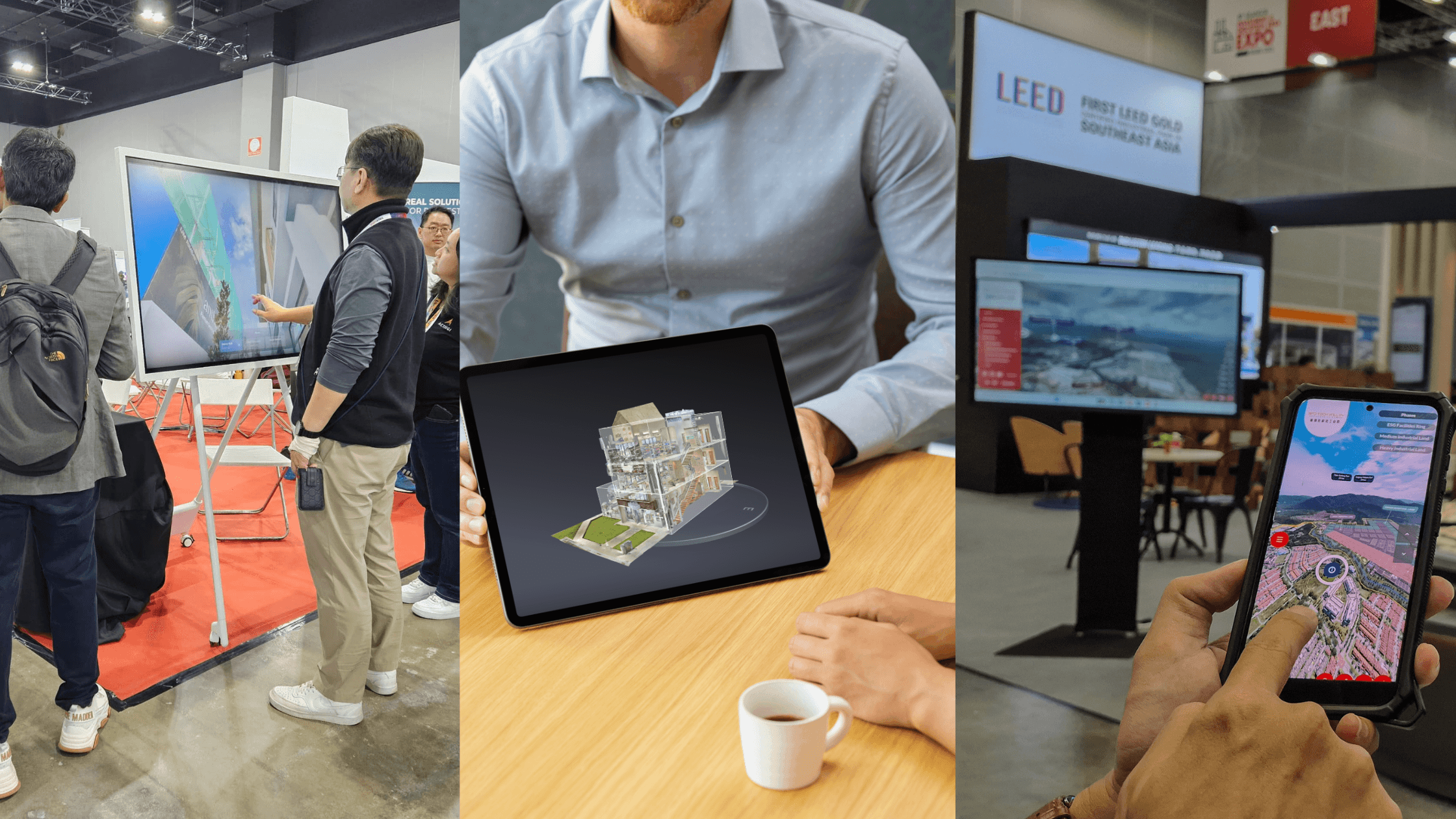
A 3D virtual tour is a digital model of a real-world space that lets people move room-to-room, view 360 degrees, and interact with details. Unlike simple 360 photos or video walkthroughs, it is user-controlled: viewers choose where to go, what to zoom into, and which hotspots to open.
When used smartly, a virtual tour becomes a sales engine, supporting presentations, websites, exhibitions, QR campaigns, layout planning, venue design, and pre-visit exploration. The strongest results come when a virtual tour is planned as part of a cohesive immersive strategy, not a one-off link.
Resourceful businesses treat virtual tours tour as a reusable asset across the funnel, from first touch to closing and planning. Here are several ways you can turn your immersive virtual tour into measurable results.
Sales conversations improve when you can help your customers and stakeholders relate to your product, and understand your unique selling points clearly. Virtual tour presentations can support this by allowing everyone to step into the space together instead of simply flipping through slides. In live presentations or video calls, a 3D virtual tour lets your team guide prospects in real time and answer questions as you move through key areas.
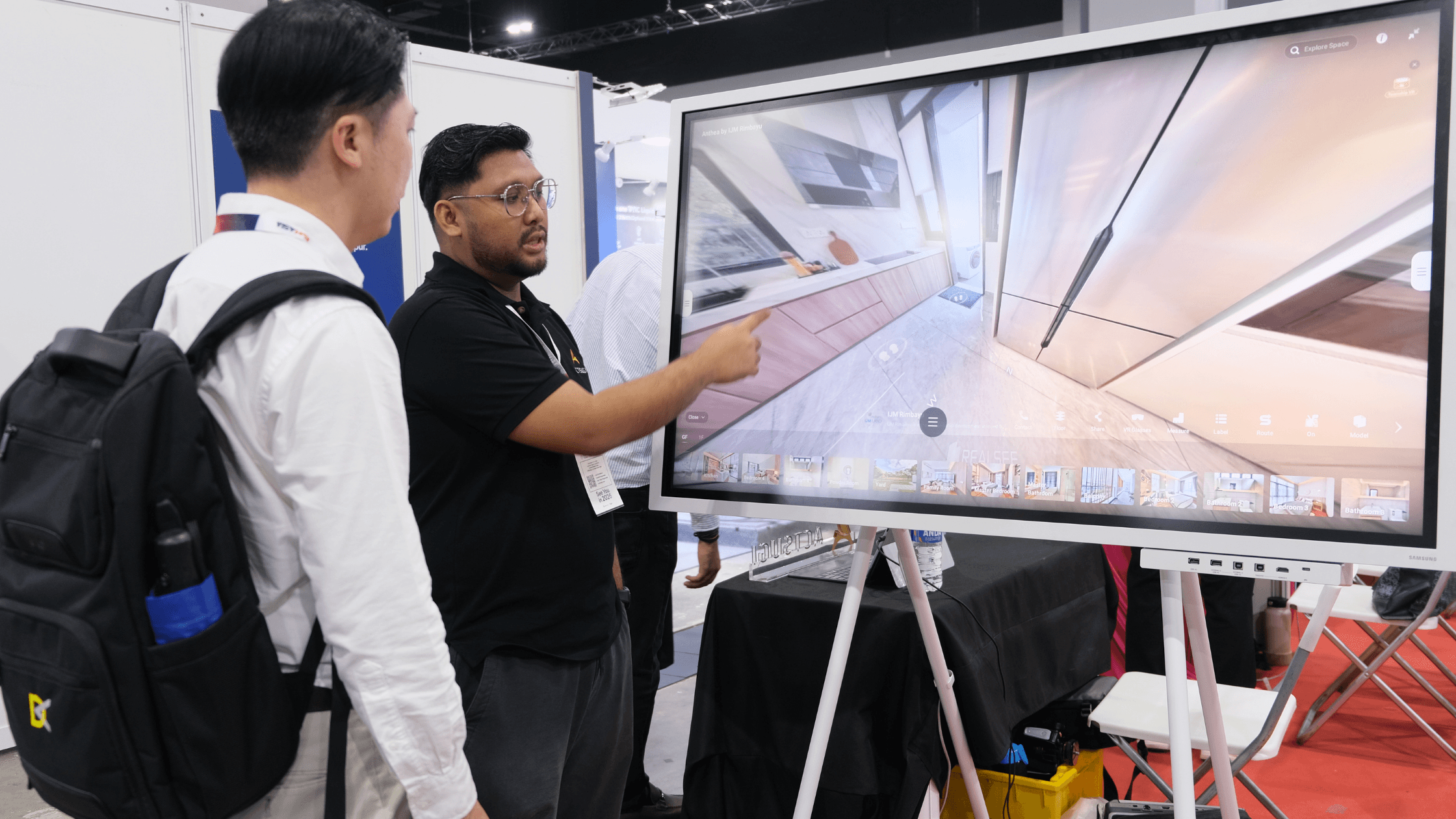
Sales teams can use virtual tours to:
At Actsugi, we craft virtual tour presentations as a companion to your presentation deck. You can see this as a curation of your key information, with interactive features to make your presentation more interesting to customers, internal teams, partners, and investors.
Developers, hotel owners, industrial leaders, and tourism boards can use virtual tours to align decisions during remote pitches, cross-border meetings, and preconstruction selling.
When someone lands on your website, you have seconds to keep them there. Embedding a 3D virtual tour on your homepage, listing, or landing page gives visitors an immediate reason to engage. Instead of scrolling through photos, they can explore and picture themselves in the space.
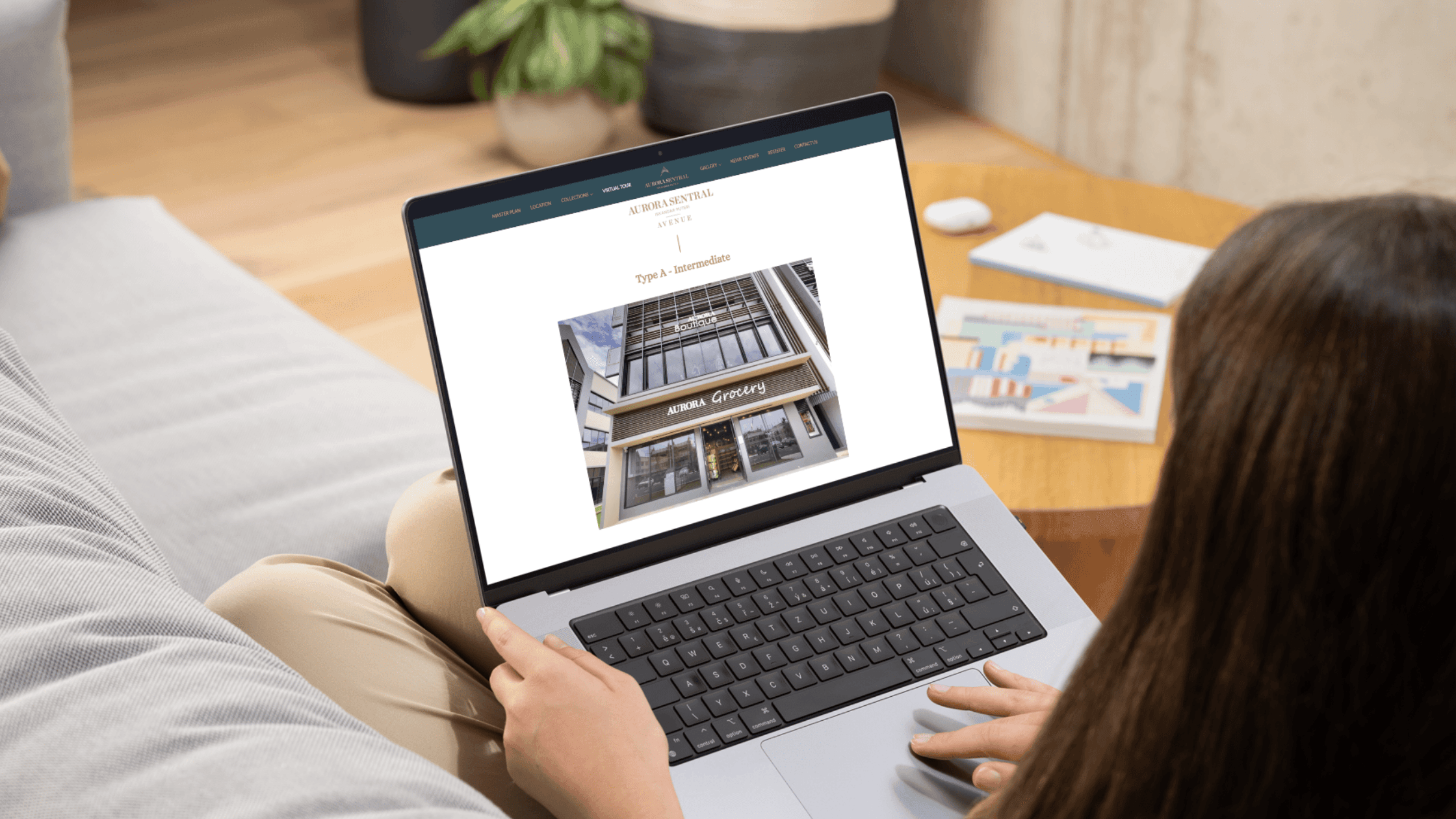
Having the virtual tour displayed strategically on your website affects behaviour. Websites with virtual tours are shown to generate up to 49% more qualified leads than those using photos alone, and reduce bounce rates by 34% on average versus static pages.
To get the most out of your embedded virtual tour and maximise conversions, we recommend the following best practices:
When people can explore the space anytime and with incredible detail, they reach your contact form with more confidence, which leads to higher inquiry rates and a higher potential for sales conversion.
Trade shows are crowded and competitive. A large touchscreen running a 3D virtual tour gives visitors a reason to stop and interact, guided by your staff. VR headsets and kiosks go further, especially when the site is far away, too large, or not ready for viewing. This is also a good option if you would like to showcase multiple locations from one booth.
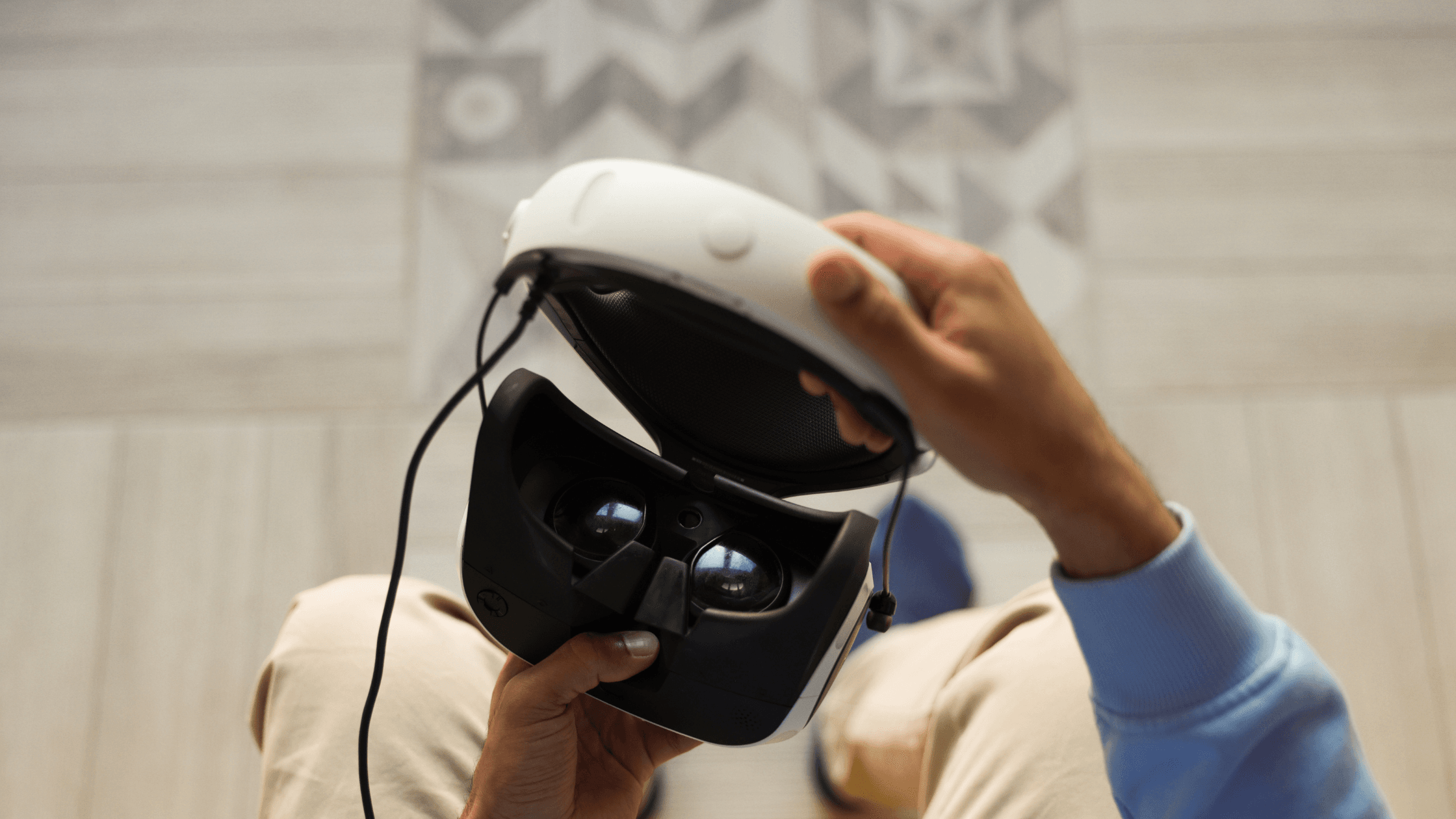
To help ensure your event runs smoothly, plan for:
Tourism boards can use virtual tours to present multiple destinations from one booth. Industrial related businesses can demonstrate facilities safely, or display upcoming plots within investment zones. Meanwhile, developers can help customers visualise future phases or their ideal home through township virtual tours or 3D show units.
Not every customer starts online. Brochures, flyers, and standees still matter in sales galleries, show units, hotel lobbies, and pop-ups. A QR code linking to your 3D virtual tour turns print into instant exploration.
Smart placements include:
Keep the journey simple: clear instructions (“Scan to walk through the space”), short microcopy, and unique QR codes per campaign so you can track performance. Customers can explore immediately, and you see which offline channels generate engagement.
After interest comes a practical question: will furniture or equipment fit? A 3D virtual tour with measurement tools replaces guesswork with planning.
Some of the useful features we can include in our 3D virtual tours are:
This is valuable for interior designers, furniture brands, and developers offering furnished or customizable units. When people can confirm fit, uncertainty drops, supporting upsells, faster decisions, and fewer post-sale disputes or change requests.
Event planners and couples often need to decide quickly and remotely. A 3D virtual tour shows scale, flow, and sightlines for hotels and event venues so they can judge fit without multiple visits.
Use cases include:
Remote walkthroughs reduce site recces and travel. Some venues report clients need fewer in-person visits, saving time and cost. Clear visual planning also reduces misunderstandings on event day.
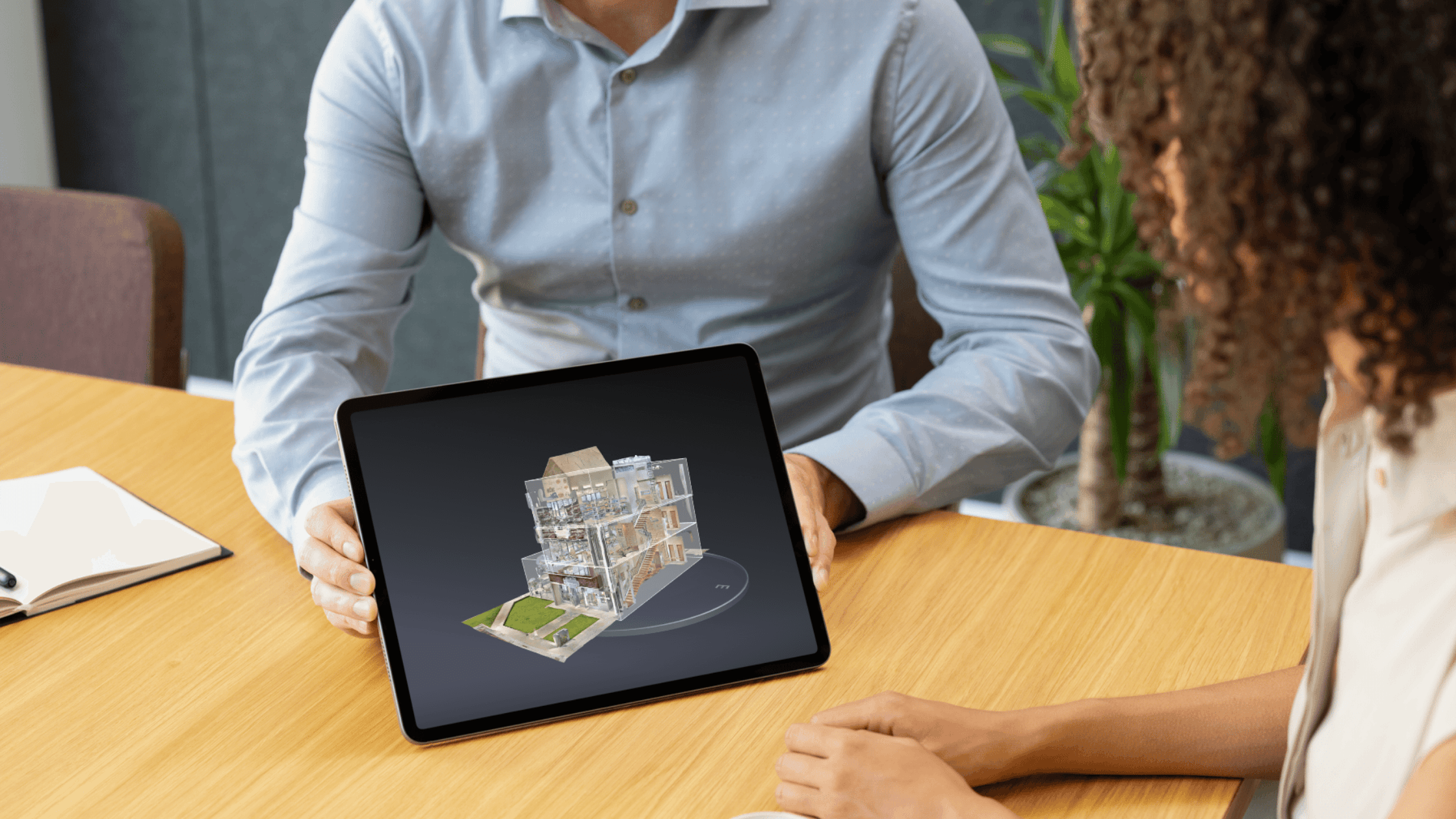
Before booking a stay, confirming an event, or approving a site visit, people want reassurance. A 3D virtual tour lets them inspect details before committing time and budget.
This allows visitors to know what to expect, and have clearer expectations of size, layout, and facilities. In turn, this builds more trust through transparent presentation.
Pre-visit familiarization supports better conversions for room bookings, event inquiries, and corporate site visits, especially for overseas buyers, busy decision makers, and visitors with mobility needs. Expedia Group research found rich visual content, including virtual/3D tours, can increase booking intent by up to 67% when travelers feel fully informed (Expedia Group Media Solutions, 2019).
Beyond marketing, 3D virtual tours can document and preserve culturally significant spaces. High-fidelity scans create a digital record that can be studied, shared, and used for restoration if structures change.
At Actsugi, we can provide downloadable OBJ, GLTF, GLB, and E57 point cloud files, alongside 16K/24K panoramas and CAD/DWG floor plans upon request. These assets support real estate, engineering, and construction needs and also benefit museums, heritage buildings, and historical sites.
Cultural institutions can use these data to
This mix of storytelling, accuracy, and long-term storage helps protect heritage while expanding access.
At Actsugi Technologies, we create immersive 360 and 3D virtual tour experiences for properties, hotels, tourism, event spaces, and industrial sites across Southeast Asia.
If you are ready to showcase your space with a 3D virtual tour, Actsugi can help you plan and deliver it end to end. Share a few details about your property or project and we will recommend the best approach. Contact us with questions or unique use cases, and we will follow up with tailored options.