Let's meet
Level 16, Wisma UOA Damansara II, No 6, Changkat Semantan, Bukit Damansara Kuala Lumpur, 50490 Malaysia
Here are the most common hotel pitfalls and fixes, and how virtual tour services can boost guest trust and bookings
Posted by Darrel Kim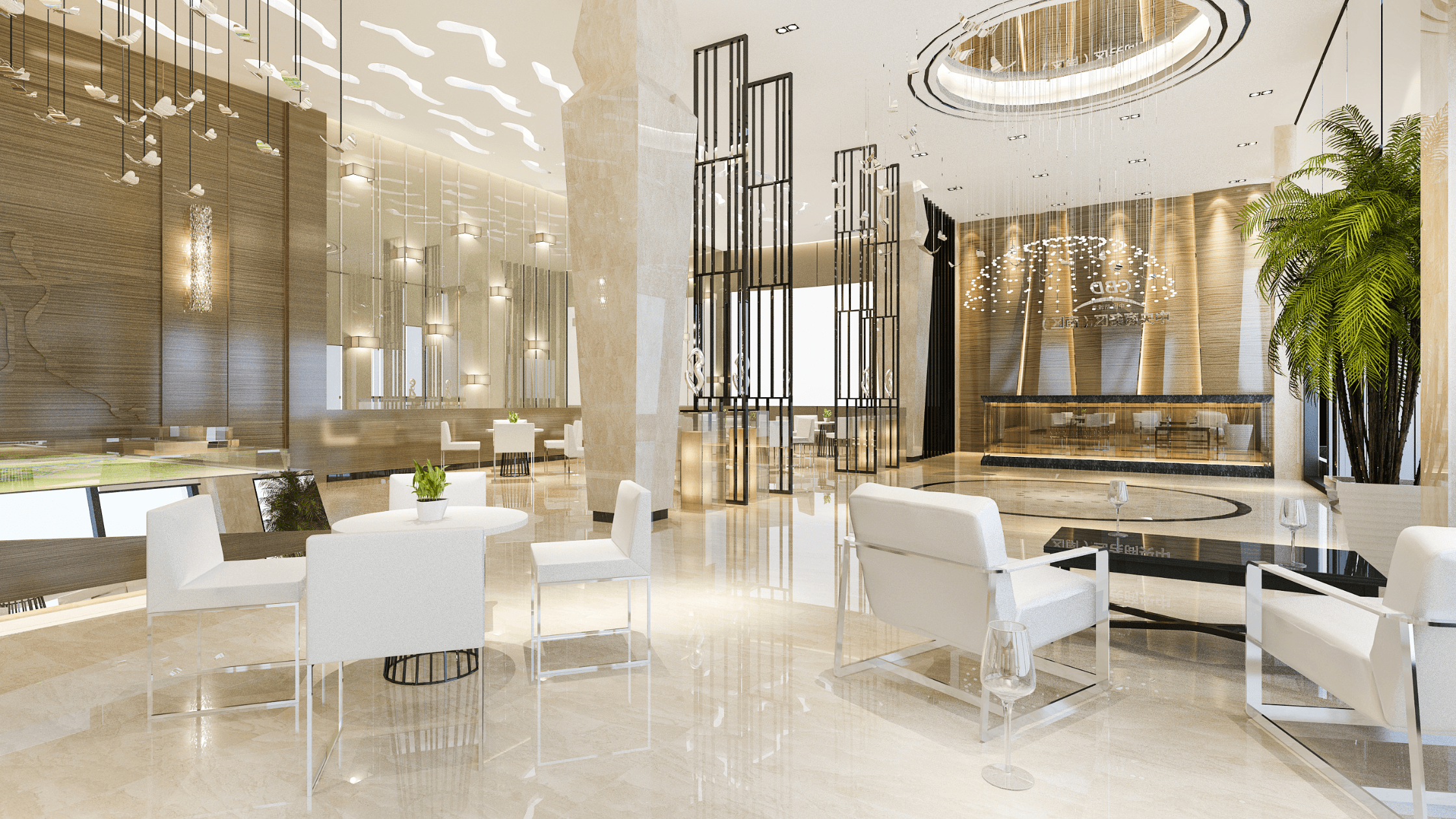
Guests these days start planning their major stays long before they ever pack a bag. Search and research are constant, and travellers are comparing hotels screen by screen. A strong virtual tour can quietly move your property to the top of their list. A weak one can send them straight to a competitor.
For many guests, your virtual tour is their first stay with you. It shapes what they expect from your rooms, service, and surroundings. When it feels confusing or disappointing, you not only lose bookings, you also set the stage for poor reviews from guests who arrive expecting something very different.
Here are some of the most common missteps hotels make before launching their virtual tour, plus practical ways to fix them to ensure your investment drives real revenue.
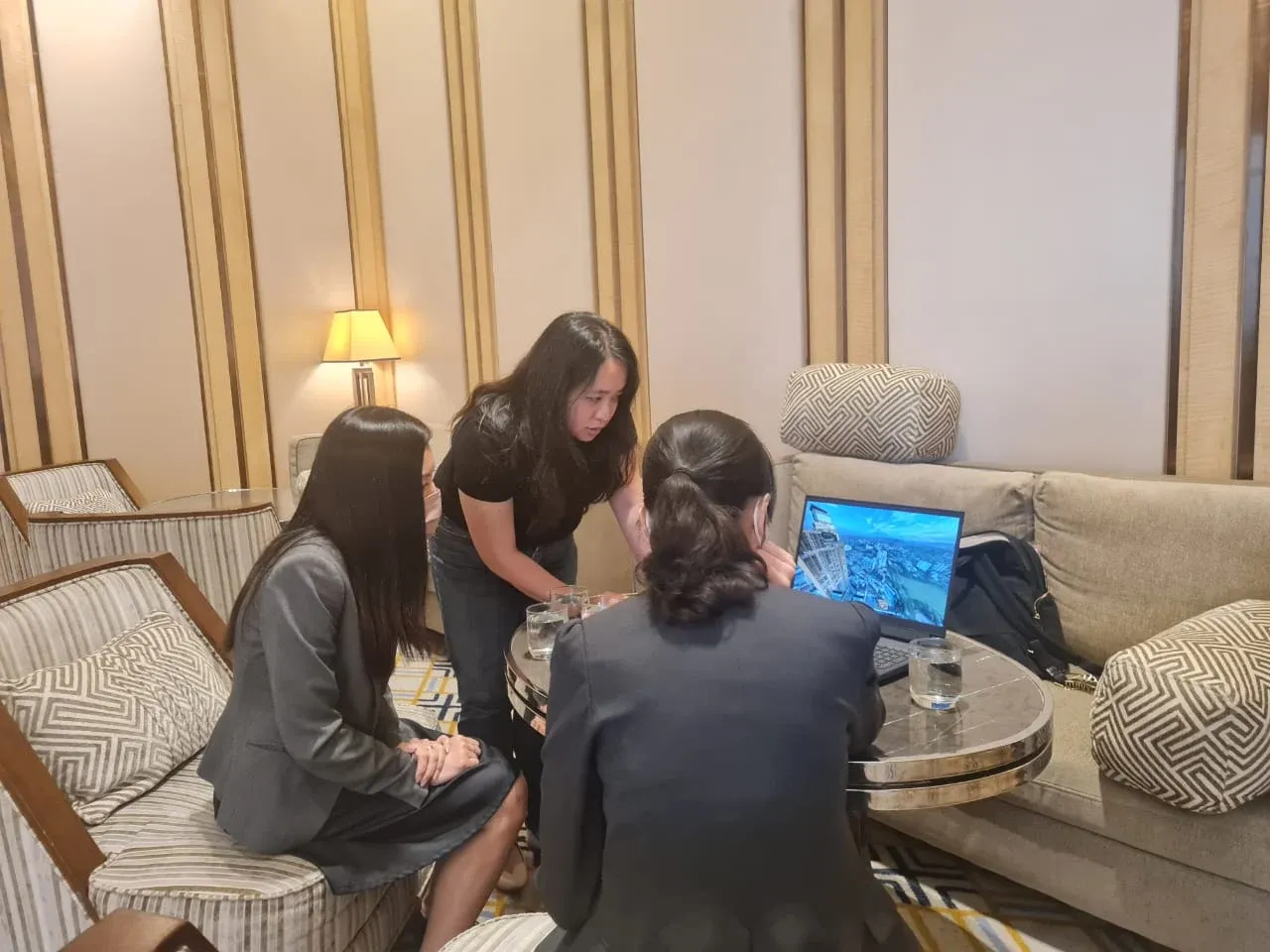
One of the biggest problems starts long before any camera comes out. Many hotels design the virtual tour around what the management team might want to see, rather than what guests need to see to feel confident enough to book. Different guest segments care about very different spaces. Families want to see connecting rooms, pool depth, and kids' clubs. Business travellers care about desk space, gyms, and quiet corners to work. Wedding planners focus on ballrooms and spaces for key ceremonies like the solemnisation or tea ceremonies.
To overcome this, work with your virtual tour services provider to ensure the virtual tour covers the exact spaces your highest-value guests ask about. Use data you already have: review the top pages on your site, note the FAQ at the front desk, and track common questions from OTA messages. These clues show you what guests really care about, so the virtual tour can answer those needs visually.
Read Next: 9 Leading Hotel Groups in Malaysia Using Virtual Tours
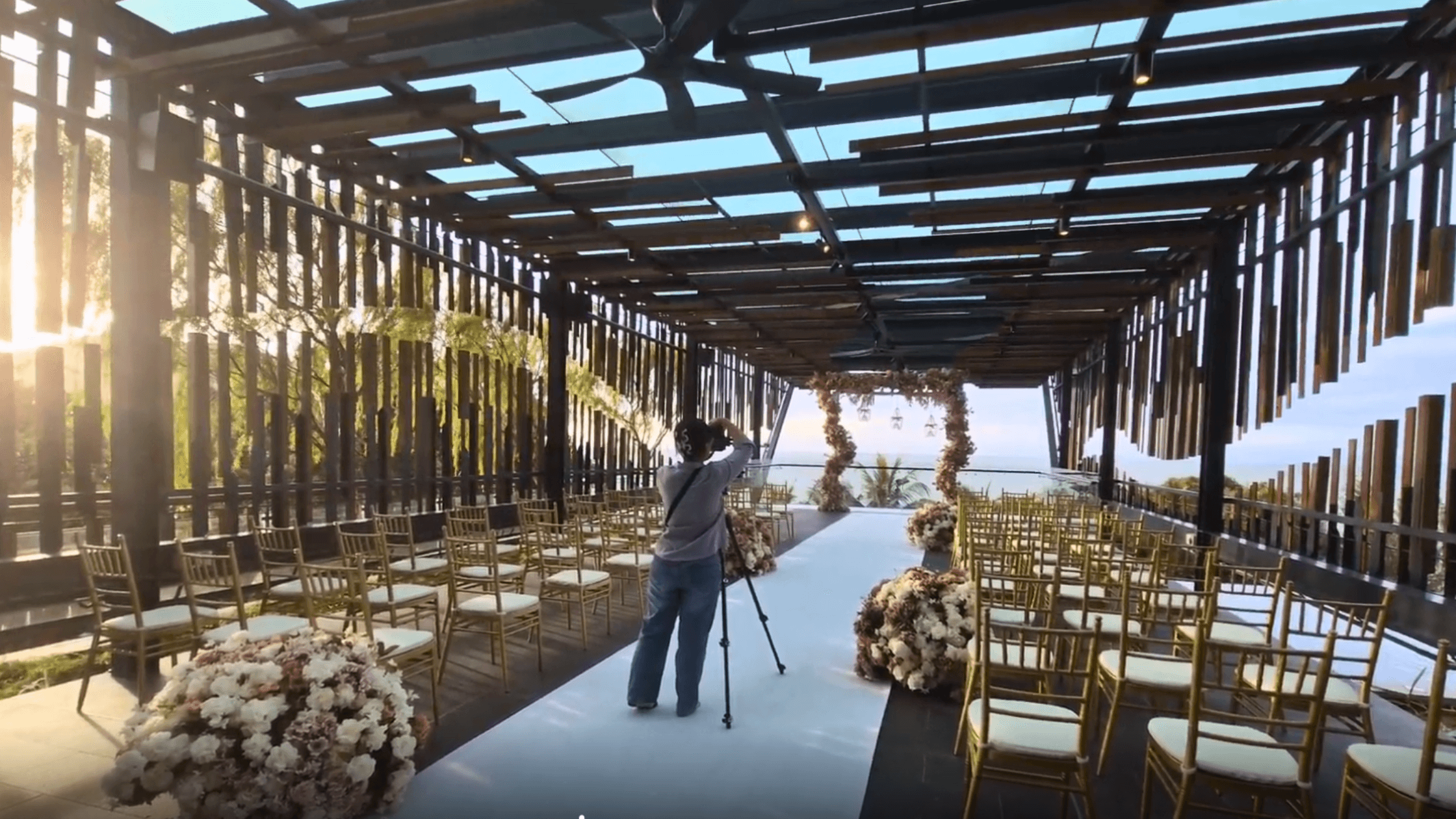 Mistake 2: Poor Lighting, Staging, and Seasonal Timing
Poor lighting, cluttered lobbies, half-set breakfast tables, or rooms that look just “okay” would not leave a good impression on guests, even if the property is beautiful in real life.
It goes without saying that natural light and weather can make or break a scene. Overcast skies make sea or city views look incredibly flat. Outdoor spaces like pools or rooftop bars may look closed or lifeless if shot at the wrong time of day. Other common issues that you may encounter are:
Treat your virtual tour shoot with intention. Before the crew arrives, prepare a staging checklist for each area, including housekeeping level, decor, food and drink setup, and branded details. Plan the schedule with your virtual tour partner so exteriors are captured during the golden hour, lobbies are shot at low peak times, and restaurants are captured with tables fully set. Keep the styling seasonally neutral so the tour remains evergreen year-round.
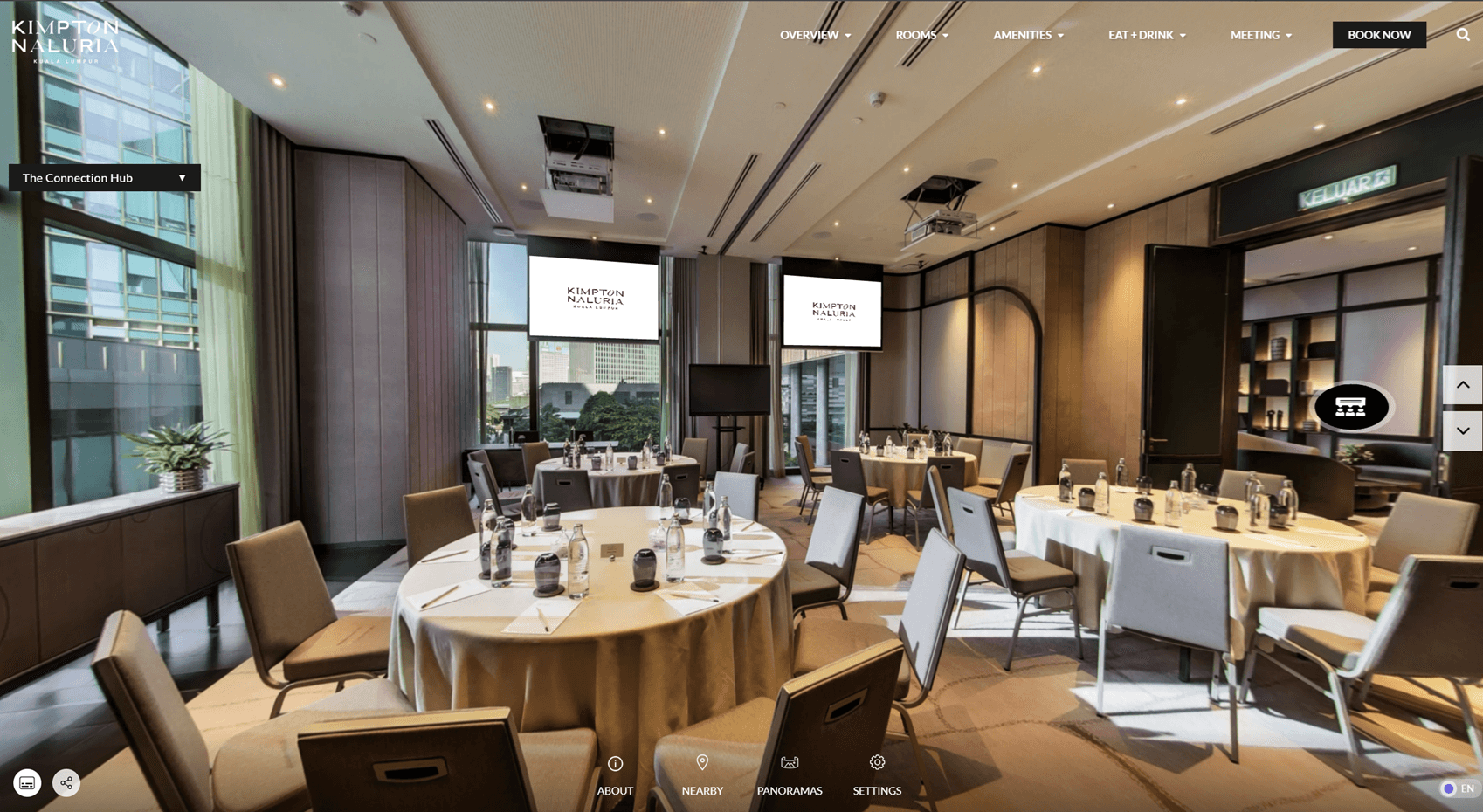
A virtual tour that only lets people “walk” around empty rooms with no context gets boring fast. Guests see the halls, but they do not understand what makes your stay feel special. Furthermore, many tours are completely disconnected from the hotel's revenue goals. For instance, guests might love the visuals you put up of your spa, but there is no clear path for them to actually book a massage. This happens when there are:
Think of each scene as both a storytelling opportunity and a sales moment. With your virtual tour partner, add hotspots with simple copy that explains what guests are seeing. Introduce your hotel's personality, perhaps a short embedded video of a chef talking about a signature dish. Pair these stories with gentle next steps. Every major area should give guests an easy call-to-action (CTA), like checking rates, viewing a package, or learning about loyalty perks, without feeling pushy.
A massive, silent mistake happens after the virtual tour is successfully built. Some hotels launch quietly by tucking the virtual tour on their website or bury it on a hard-to-find subpage, then never touch it again. Others fail to promote the virtual tour through email newsletters or social media channels. With that approach, very few guests see it. A virtual tour is a powerful, immersive presentation tool, but it cannot drive bookings if you do not actively distribute it to your audience.
Integrate the virtual tour directly into your primary marketing materials. Feature it prominently above the fold on key landing pages (like Rooms, Weddings, and Events). Extract short “walk-through” screen recordings to use as high-engagement content on social media. Most importantly, train your sales and events teams to use the tour dynamically during video calls to walk prospective corporate clients and wedding planners through your event spaces remotely.
Your hotel evolves, and your virtual tour should too. If a guest views a tour showing a specific restaurant concept, and arrives to find it replaced by something entirely different, trust is broken immediately. This becomes significant if you leave the hotel virtual tour online witjout updates even after major renovations, or show outdated branding or discontinued rooms.
Set a refresh rhythm linked to property upgrades, new F&B ideas, or major layout changes. When significant renovations occur, work with your virtual tour services partner to reshoot and update specific scenes. Your virtual tour can be a living, strategic layer of your digital guest experience instead of a one-and-done project.
We see hotels struggle with these same patterns across the region, which is why we built Actsugi to focus on immersive tours that actually support hotel operations and sales in Southeast Asia. When you avoid these common mistakes and treat your virtual tour as a strategic, highly visible sales tool, it can attract the right guests, set honest expectations, and support stronger direct bookings long after launch.
If you are ready to turn your space into an immersive online experience, our virtual tour services are designed to make that process straightforward and effective. At Actsugi, we work closely with you to understand your goals and highlight what matters most to your audience. Get in touch for more.