Let's meet
Level 16, Wisma UOA Damansara II, No 6, Changkat Semantan, Bukit Damansara Kuala Lumpur, 50490 Malaysia
Discover how VR in Malaysia enhances built spaces and visitor experiences through immersive 360 tours, 3D visuals, and interactive storytelling for brands.
Posted by Daniel Taufik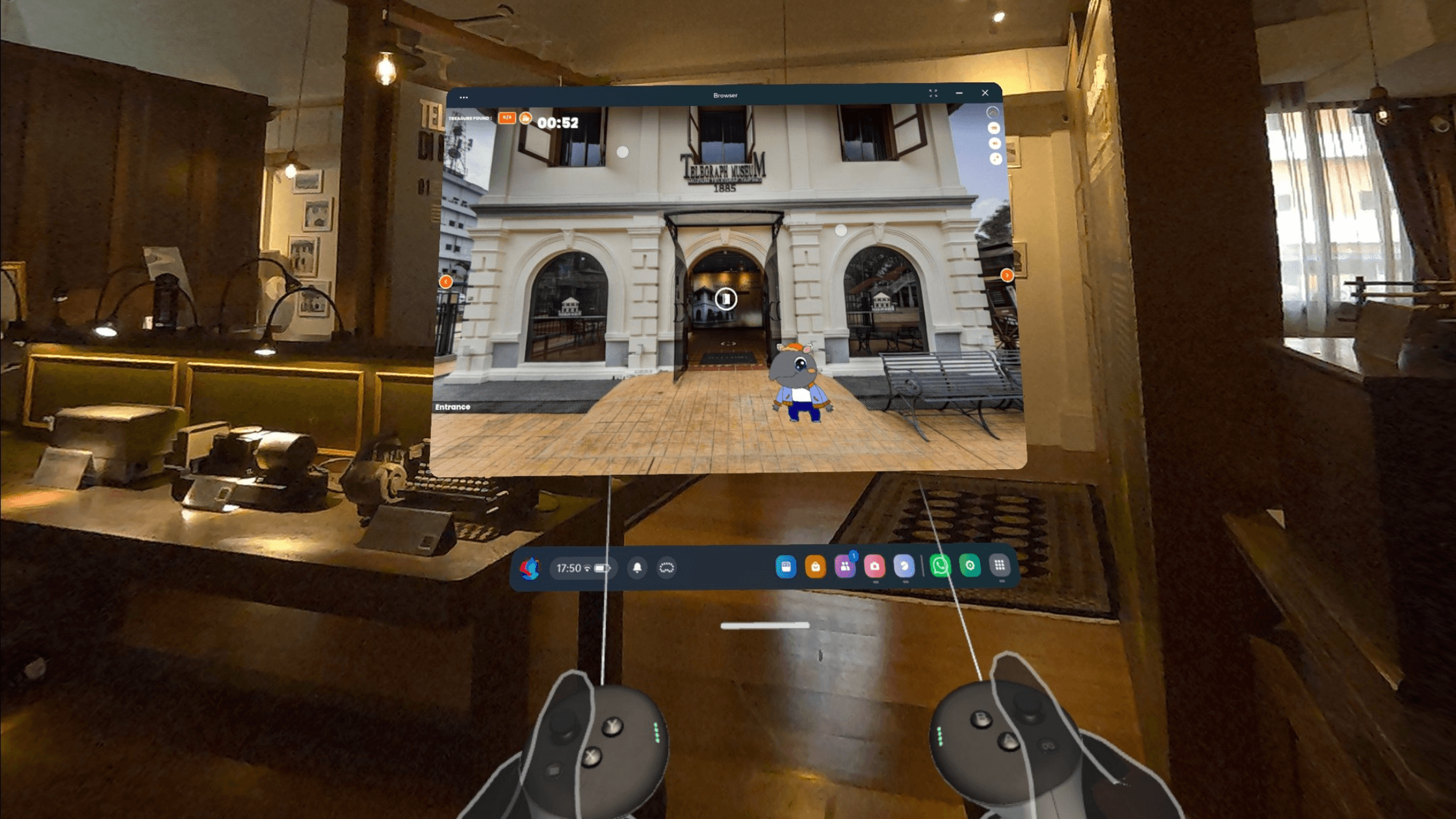
Virtual reality in Malaysia is no longer limited to gaming arcades or tech events. Today, it covers a spectrum of immersive formats, from 360° virtual tours and web-based 3D environments to VR headsets and interactive digital twins of real spaces.
For built environments and visitor experiences, this shift is opening up new ways to sell, educate, and engage without asking people to physically be on-site.
Across Malaysian cities and tourist destinations, virtual reality is being used to tell richer stories about properties, hotels, attractions, museums, and industrial facilities. Government digitalisation agendas, smart city initiatives, and ongoing investment in broadband and 5G are helping immersive media move from experiment to practical business tool.
At Actsugi, we are focused on this space in Southeast Asia, helping brands in Malaysia, Singapore, and Indonesia turn real-world locations into interactive, story-driven visual experiences that support marketing, operations, and training.
The most visible growth for virtual reality in Malaysia is happening where physical space is central to the business model. Real estate and industrial parks rely on people understanding layout, scale, and infrastructure, which makes immersive media especially effective.
Yes. 360° virtual tours and 3D visualisations are becoming standard for residential and commercial listings across Malaysia, giving buyers and tenants a realistic sense of space before they book an in-person visit. This reduces unqualified site visits and shortens the decision cycle for both local and overseas prospects.
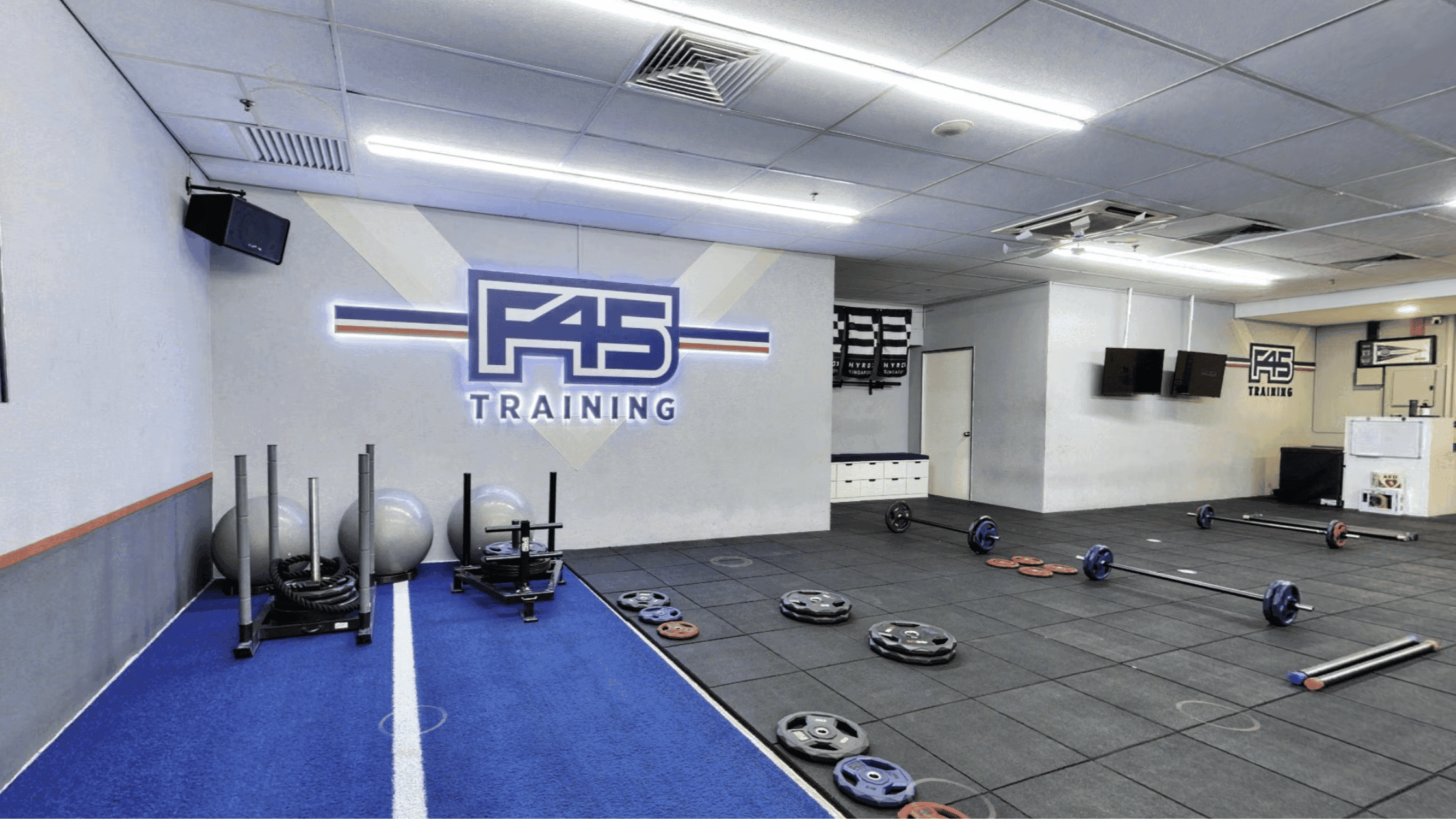
Developers are using VR-enabled walkthroughs of industrial parks and logistics hubs to present infrastructure, safety features, and access routes to foreign investors and multinational tenants. These immersive presentations allow stakeholders to evaluate a site remotely, which is particularly valuable for cross-border leasing and investment decisions.
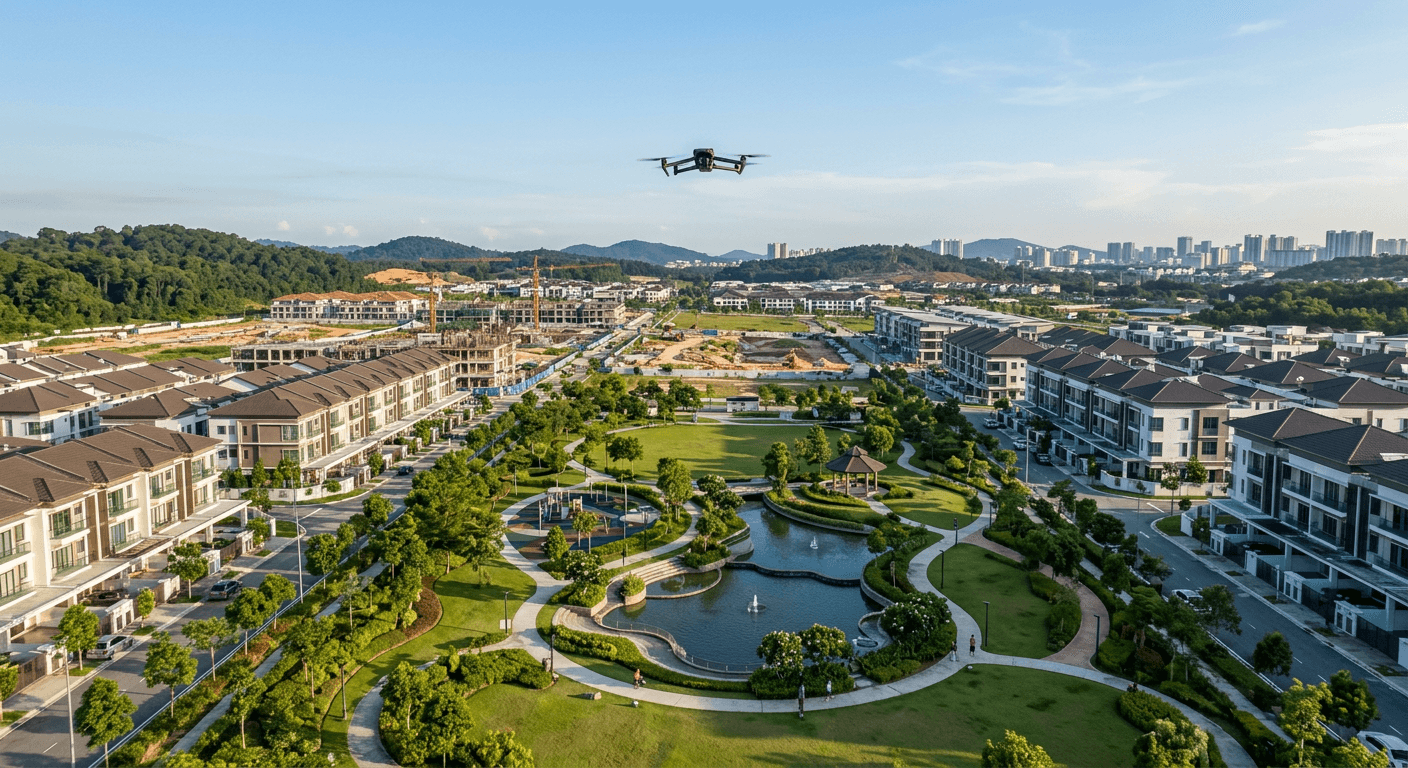
Drone imaging and photogrammetry are being combined with ground-level capture to document large sites, support masterplan storytelling, and keep all stakeholders aligned on progress. This layered approach provides both aerial context and detailed interior walkthroughs within a single experience.
In a crowded holiday calendar, virtual reality in Malaysia is helping destinations and hospitality brands stand out by letting travellers explore before they commit.
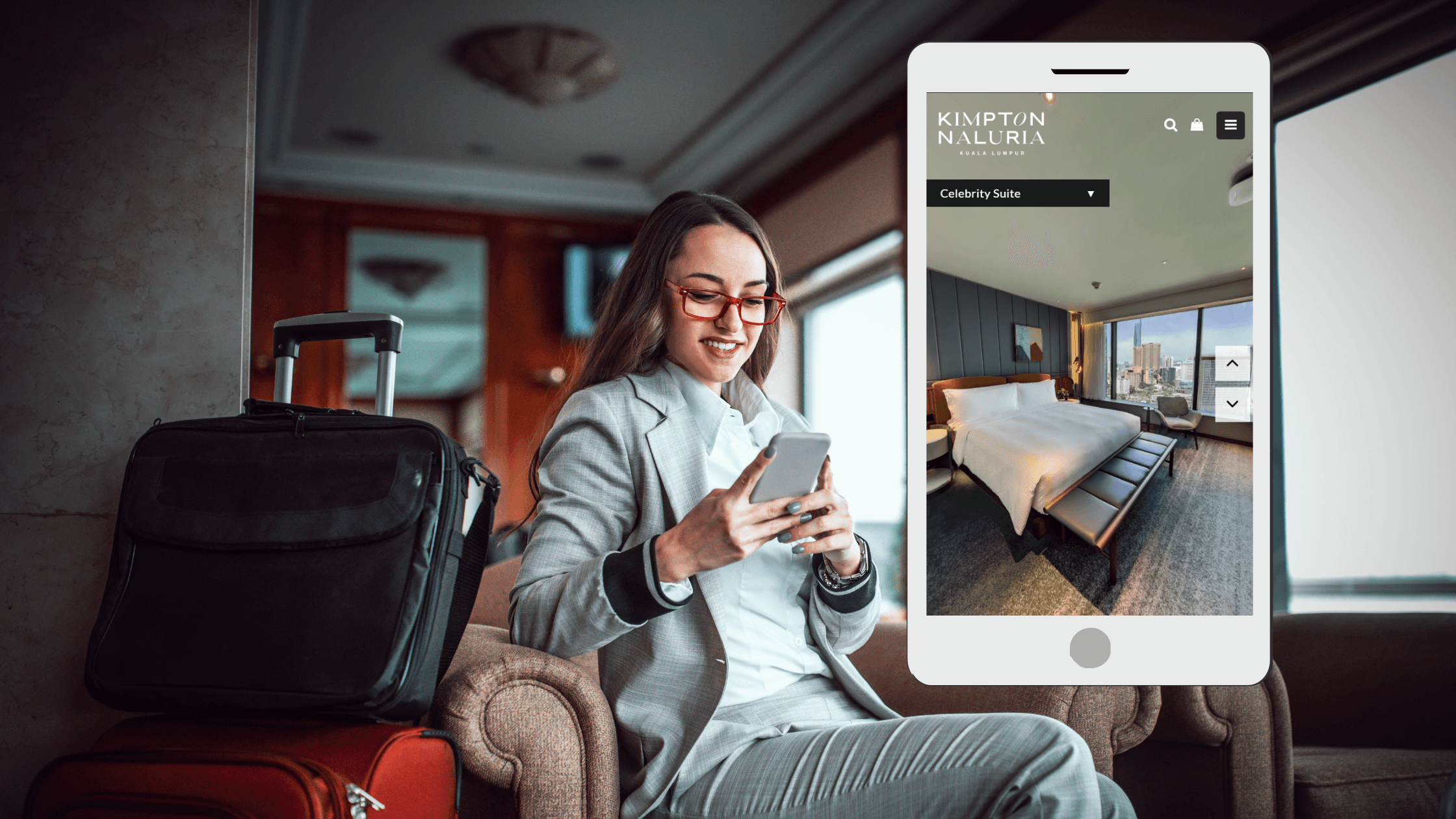
Hotels and resorts are offering immersive tours of rooms, villas, event spaces, and facilities to increase direct bookings and encourage guests to choose higher-value room types. When a guest can walk through a suite or event venue before booking, confidence in the purchase decision goes up.
Tourism boards are commissioning virtual previews of islands, eco-parks, and city landmarks so international travellers can explore before they book their flights. These previews serve as both marketing tools and planning aids, giving potential visitors a sense of what to expect.
Museums and cultural institutions are adopting narrative-driven VR experiences that turn static exhibits into interactive stories. These experiences can be accessed on-site for deeper engagement or from home, expanding the reach of collections and cultural programmes beyond physical walls.

Industrial facilities and manufacturing plants are starting to use virtual environments for safety inductions, maintenance simulations, and remote inspections. Teams can learn procedures and familiarise themselves with equipment layouts without disrupting live operations or exposing trainees to hazards.
Immersive media is being used to explain ESG initiatives, from energy-saving systems to community projects, in a way that feels transparent and easy to understand. Instead of static reports, stakeholders can virtually walk through the facilities and see the initiatives in context.
Companies are using guided virtual briefings to bring together investors, regulators, and internal teams around a shared view of facilities and projects. This reduces the need for coordinating multiple site visits while giving every participant the same visual reference point.
As virtual reality in Malaysia matures, the value is shifting from novelty to clear strategic outcomes. Done well, immersive content supports both revenue growth and operational efficiency.
Immersive experiences often outperform static photos or traditional video because users feel they are in control. They can look around, zoom into details, and follow their own curiosity. Features that help turn exploration into measurable actions include:
These elements move users from passive browsing to filling out a form, making a reservation, or requesting a proposal.
Virtual reality removes borders. For Malaysian businesses working with overseas buyers, investors, tenants, or tourists, VR acts as a shared reference point when travel is not convenient. A single, well-produced 360° tour can serve as a visual truth for:
Yes. Virtual reality in Malaysia is helping teams cut down on repetitive tasks and avoid unnecessary travel in several ways:
Early adopters of VR position themselves as forward-thinking and digitally fluent. When immersive content is aligned with corporate storytelling, it reassures stakeholders that the brand is serious about transparency, innovation, and long-term planning, not just keeping up with trends.
For many teams, the first question is not "Can we do VR?" but "Where should we start so it actually helps the business?" The answer usually begins with clear objectives and audience definitions.
Identify the primary objective before production begins:
Then map the customer or stakeholder journey. At which touchpoints are people confused, hesitant, or overwhelmed by information? Those are usually the best candidates for a 360° virtual tour, 3D experience, or drone-based overview.
Web-based 360° tours (WebVR) are usually the most accessible, since they work on phones, tablets, and laptops without special hardware. Headset-based VR may be better for controlled environments like show galleries, training centres, or museum installations where deeper immersion is the goal.
The right choice depends on your audience and where they will access the experience.
For more complex sites, such as industrial facilities, heritage buildings, or large outdoor destinations, it may be worth combining multiple capture methods:
Good planning on content production and on-site logistics makes a significant difference in quality. Teams should consider:
Integration is where virtual reality in Malaysia moves from standalone asset to everyday tool. Embedding tours into websites, property portals, booking engines, and digital kiosks puts immersive content in front of people where they already make decisions.
Analytics on user behaviour, such as popular hotspots, average time spent, and drop-off points, then guide the next round of improvements and help measure return on investment.
Looking ahead, virtual reality in Malaysia and the wider region will become more connected with other digital technologies. Instead of being a standalone experience, VR will increasingly sit inside smarter building and operational ecosystems.
VR, augmented reality, and mixed reality are likely to blend with Internet of Things sensors, BIM models, and digital twins. For industrial parks and large facilities, that means virtual tours that are not static snapshots but live reflections of current status, capacity, or safety conditions.
AI will also play a growing role in:
For visitor-facing experiences, hybrid physical-digital journeys are expected to become standard. Museums, galleries, and attractions can layer AR and VR onto on-site visits, offering deeper context, multilingual storytelling, or accessible content for visitors who may not be able to walk every part of a space.
Hospitality and tourism brands can offer pre-trip virtual experiences that connect to on-site services, loyalty programmes, or upsell opportunities once guests arrive.
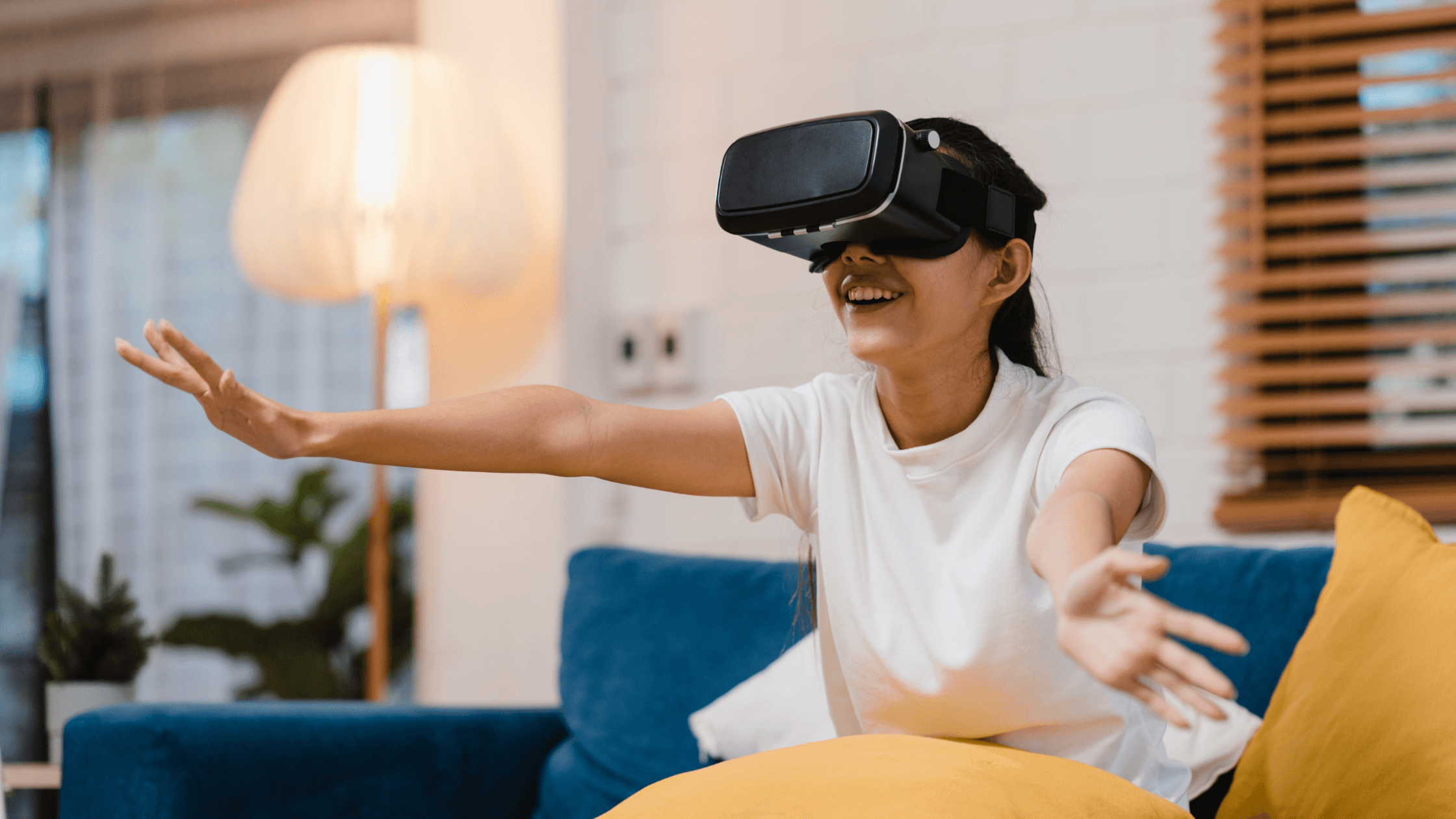
Regionally, more consistent standards and platforms for VR in Malaysia, Singapore, and Indonesia will support multi-country campaigns and cross-border investor outreach. Developers, operators, and institutions in Malaysia will be able to present their projects within unified immersive narratives that travel easily across languages and markets, helping the region speak with a stronger, more coherent visual voice.
At Actsugi, we focus on 360° virtual tours, 3D experiences, photogrammetry, and drone imaging to help brands across real estate, hospitality, tourism, cultural institutions, and industrial sectors turn complex spaces into clear, story-driven visual narratives.
As virtual reality in Malaysia enters this new growth phase, the most effective organisations are treating immersive media as part of a long-term digital strategy, not a one-off project. The goal is to support how people discover, understand, and trust your spaces, whether they are homes, hotels, museums, or industrial facilities.
For teams ready to review their current digital touchpoints, now is a good time to identify where immersive content can reduce friction, improve alignment, and create more confident decisions for every visitor, buyer, guest, or stakeholder.