Let's meet
Level 16, Wisma UOA Damansara II, No 6, Changkat Semantan, Bukit Damansara Kuala Lumpur, 50490 Malaysia
Discover four ways hotels can use virtual tours after booking to drive room, spa, and dining upsells while helping guests navigate the property smoothly.
Posted by Rhiann Lee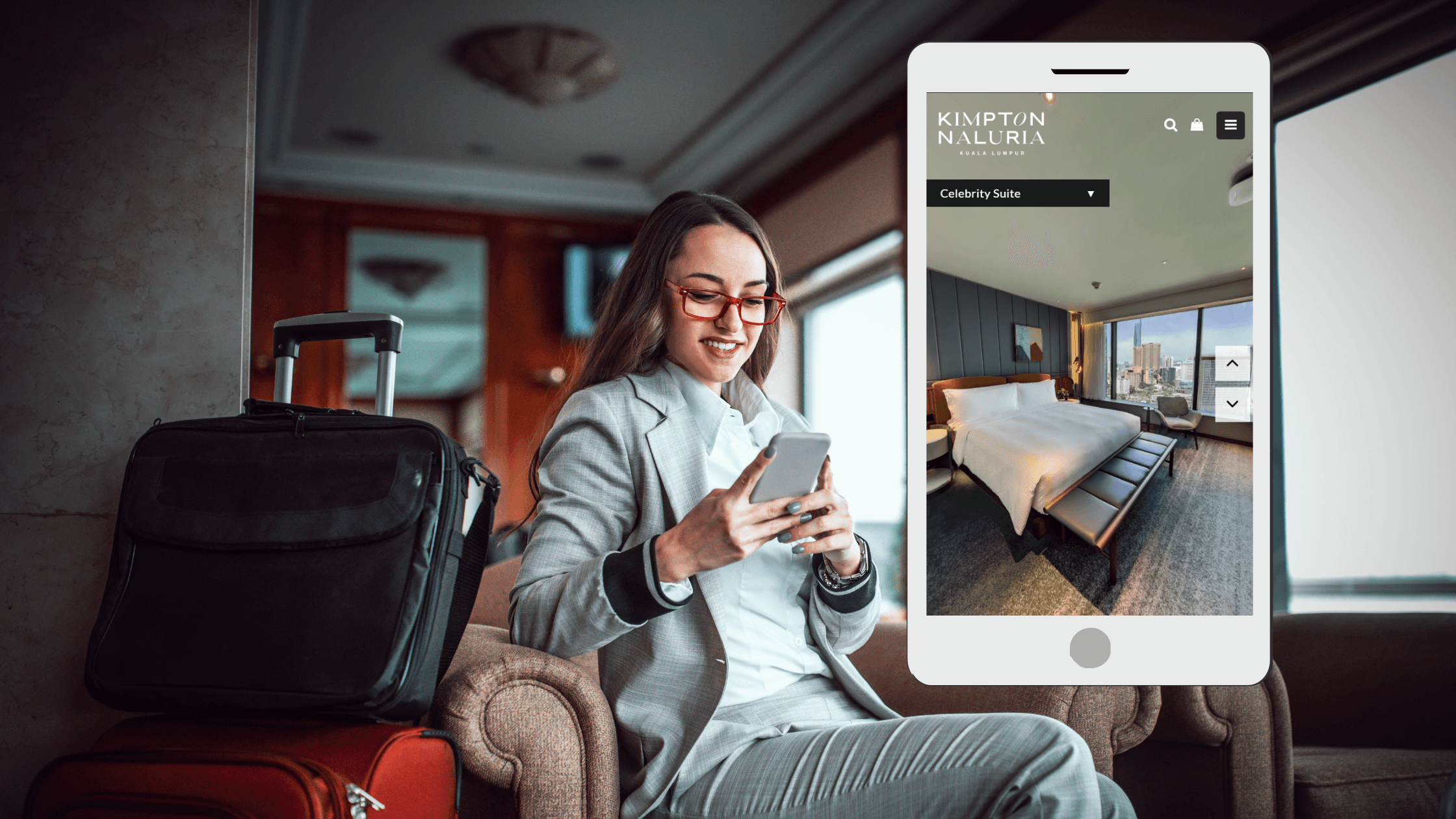
The moment a guest hits “confirm booking,” your hotel gains a strategic opportunity to influence how the stay will unfold. Guests feel excited, a little curious, and already picturing their trip. That window between booking and arrival is where forward-looking hotel teams can shape guest expectations, guide decisions about room types, spa time, and dining plans, and reduce friction on arrival.
Immersive digital walkthroughs can turn this gap into something guests can actually see and explore. Instead of only reading about a better room or spa package, they can navigate it online, look around in 360 degrees, and understand the differences in a concrete way. At Actsugi, we focus on this kind of immersive visual content so hotels can move past flat photos and basic descriptions into experiences that help guests make better-informed choices.
Here are four practical, repeatable ways to use virtual walkthroughs for post-booking upsells and smoother onboarding, from rooms to the spa to dining and on-property discovery.
Create your virtual tour with Actsugi.
A digital walkthrough should not just be a virtual brochure. It should be designed as a light, guest-centric way to compare room options. Start from the room type the guest actually booked, then give them clear ways to explore better options at their own pace.

Conceptually, a strong room experience can:
When guests navigate into the upgraded room, they should instantly notice what they gain: more natural light, an open view, extra seating, a bigger bathroom, or a balcony. Discreet tags and prompts can point out value without a hard sales tone, such as:
To move beyond generic upselling, you can help your virtual tour provider map key scenes in the virtual tour to different guest segments, for example, a “Family Stay” sequence that focuses on connecting rooms and kids’ play areas, or a “Business Stay” sequence that highlights desks, quiet zones, and meeting access. Front-office and reservations teams can then share specific starting points of the tour depending on guest type, instead of sending the same static gallery to everyone.
Hotels can also use these virtual tours to upsell new rooms or suites by featuring them prominently in the room experience. When a new category launches, the virtual tour becomes a visual explanation of what feels different about the space. Reservation teams and pre-arrival agents can share direct links to the relevant scenes and encourage guests to view them, giving guests a realistic sense of size, layout, and atmosphere before they decide to upgrade.
The leadership shift here is to treat digital room content as part of your merchandising strategy rather than a static asset library, making upgrades feel like informed choices rather than last-minute offers.
Create your virtual tour with Actsugi.
Spa and wellness offers are often hard to convey with text alone. Guests might not know what the spa looks like, where it is, or how relaxing it actually feels. An immersive spa walkthrough allows them to see the layout of the space step by step and picture how it fits into their stay.
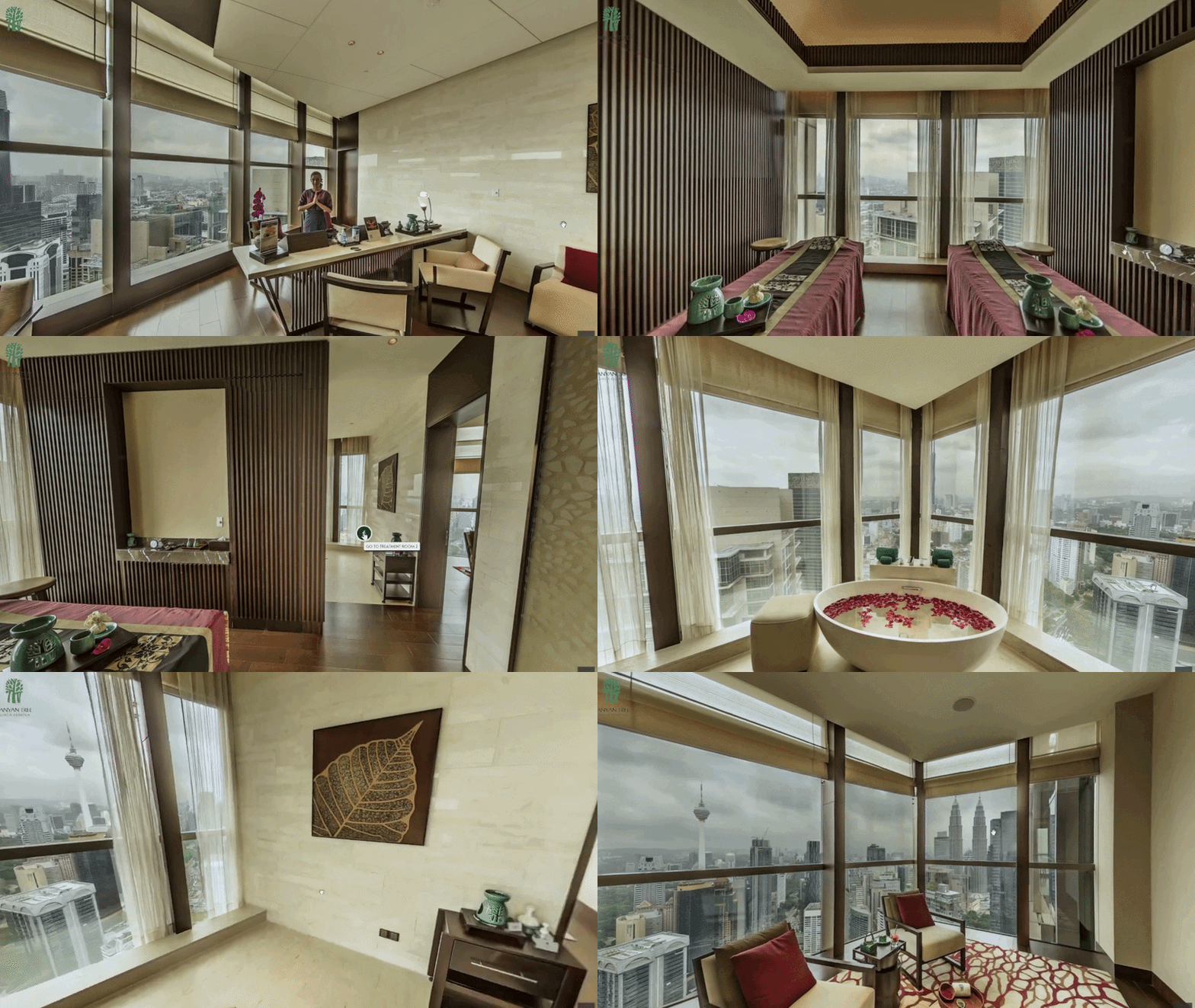
A strong spa-focused walkthrough might:
Here, the focus is on visual clarity and emotion: how the space feels at each point, from arrival to post-treatment calm. Clickable elements inside the experience can show treatment menus, explain the style of each service, and introduce key therapists or signature rituals. Time-limited or stay-based offers can be surfaced alongside the walkthrough so that while guests are exploring, they can decide which packages match their schedule and reserve a slot before they arrive.
Our Actsugi virtual tour also comes with video fusion features, whereby hotels can bring lobbies, restaurants and bars to life with friendly receptionist at the reception area, bartenders mixing drinks, chefs working in open kitchens, and more.
You can use this approach to:
Within those scenes, you can add structured links or prompts for:
Operationally, this means that by the time guests arrive, many of their key spa and F&B decisions are already made. For hotel leadership, that translates into more predictable demand patterns, stronger average spend, and smoother coordination between front office, spa, and F&B teams.
The post-booking confirmation email is one of the most underused guest touchpoints. Guests open it expecting a receipt and basic stay information, but they are also in a planning mindset, thinking through what they will do on property. Including a link to the virtual tour directly in the welcome or confirmation email gives them a simple way to explore the hotel as soon as they book.
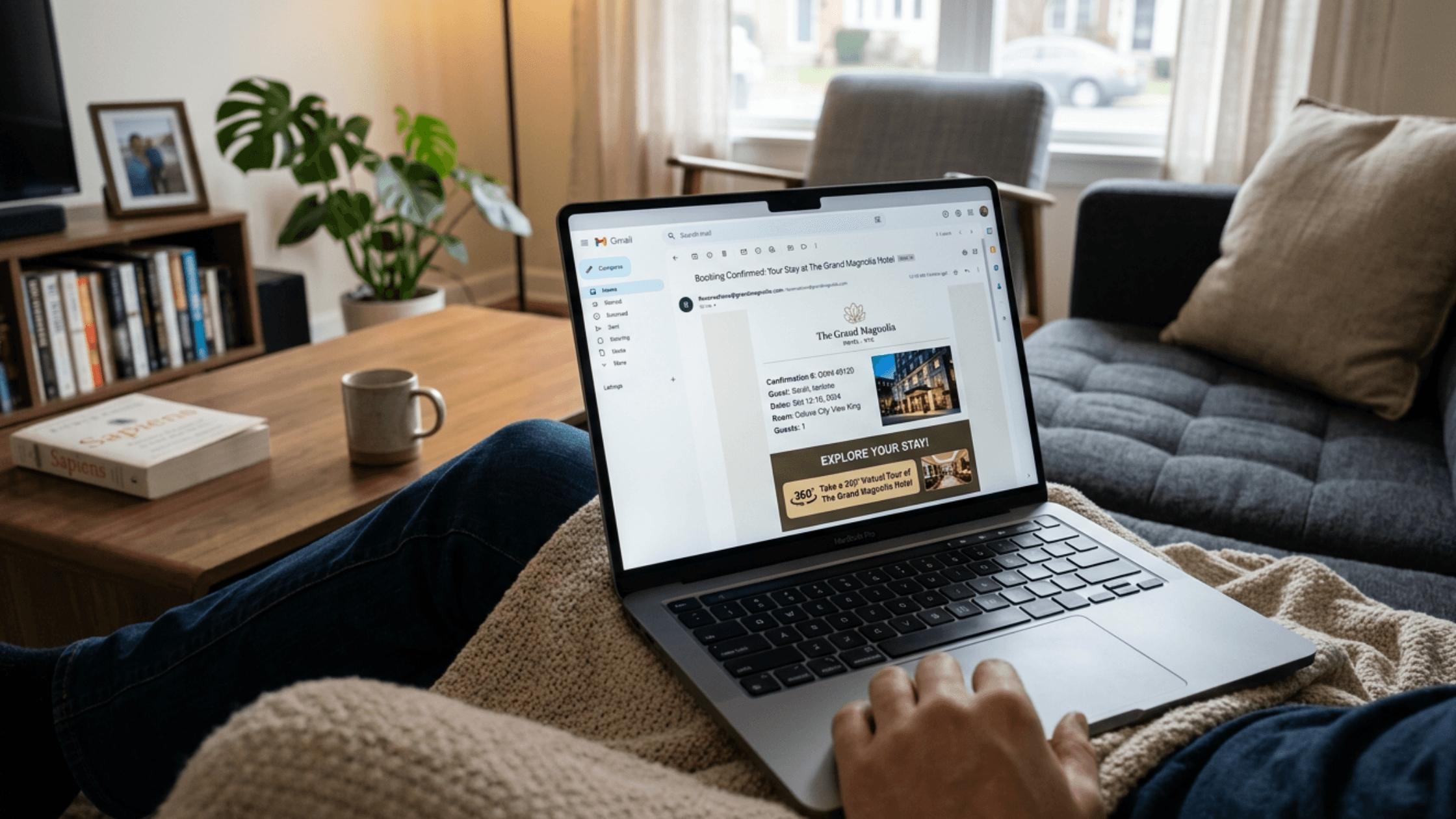
A well-structured welcome email could:
For example, families could be guided to view kids’ facilities and connecting rooms, business travellers toward meeting areas and quiet lounges, and couples toward spa, pools, and signature dining. This turns a static confirmation into a visual planning tool, which naturally opens the door to room upgrades, pre-booked spa sessions, and early dining reservations.
Beyond email, hotels can make the virtual tour easily accessible at key digital and physical touchpoints. On mobile apps and guest portals, it can sit within pre-arrival planning sections. On messaging channels like WhatsApp or Line, reservations or concierge teams can paste direct links to specific scenes to answer questions in a more visual way.
At the property, placing a tablet at the lobby or reception desk with the virtual tour preloaded allows front-desk staff to show guests features on demand. If a guest asks about the difference between two room types, how far the spa is from the lobby, or what the rooftop bar looks like, the receptionist can tap into the relevant part of the tour and walk them through it face-to-face. This supports instant, informed conversations that can result in upgrades or bookings while still feeling service-focused rather than sales-heavy.
From a leadership perspective, this approach reframes guest communications as interactive and visual, ensuring that every core channel, from email to on-property touchpoints, supports both clarity and revenue opportunities.
Upsell revenue is important, but so is how relaxed and confident guests feel when they arrive. A pre-arrival property walkthrough can remove many small worries. Guests see where to go and what to expect, rather than guessing when they step out of their ride, and that calm start often shapes their perception of the entire stay.

A well-structured onboarding-focused walkthrough might show:
Accessibility and family needs can be a crucial point to inform a customer's decisions. Digital walkthroughs can highlight stroller-friendly paths, ramps, accessible restrooms, and quiet zones that suit older guests or babies. When hotels share these experiences in pre-stay emails, apps, or common messaging channels, guests can self-orient and arrive calmer and more prepared.
On arrival day, front-desk teams can reference the same walkthrough on lobby tablets to explain directions visually, reducing the number of times guests get lost or feel unsure about where to go.
For executives, this is not just a service enhancement; it is a way to rebalance staff time, reduce friction points, and align the physical property layout with a clearly designed guest flow. As more guests become familiar with the layout before arrival, staff can shift from giving basic directions toward offering recommendations, personalized suggestions, and meaningful interactions that reinforce the hotel’s positioning.
Create your virtual tour with Actsugi.
When hotels connect all these elements into one thoughtful plan, immersive digital experiences become more than just an attractive visual layer. They evolve into a strategic tool that:
The leadership opportunity is to treat these tools as part of your broader guest journey architecture, designed intentionally, measured with clear KPIs, and continuously refined based on guest behavior and feedback.
Actsugi is a virtual tour presentation technology company with operations in Malaysia, Singapore, and Indonesia. If you are ready to showcase your space with clarity and impact, our virtual tour services are designed to fit your goals and timeline. We work closely with you to plan, capture, and present immersive tours that feel true to your brand. Get in touch here.